- B-Stock Polish Pottery – Sorted & Unique
- Bowls
- Butter Dishes
- Ceramika Artystyczna - The Queen of Polish Pottery Ceramics
- Mugs
- Plates
- Sale
- Jars
- Outlet
- Polish Pottery Platters – Wide Selection of Shapes & Sizes
- More
- Teapots & Coffee Pots in Bolesławiec Polish Pottery
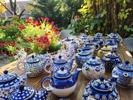
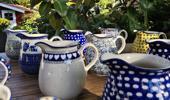
- Jugs & Pitchers – Wine, Water, Juice, Milk – Polish Pottery
- Baking Dishes made of Boleslawiec Pottery
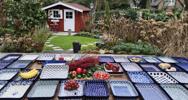
- Dishes for lovers

- Polish Pottery Sets at Discount Prices

- 1000 and a cup
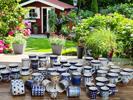
- Tableware for children
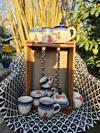
- Exclusive Polish Pottery
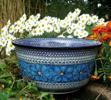
- Wintry
- Decoration
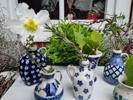
- Artists
- Faith – Christianity – Polish Pottery

- Custom made
- Gift Voucher for Polish Pottery – Give Handcrafted Quality

- Over 4600 Polish Pottery Patterns

- Unique pieces Polish pottery
- Polish Pottery Sets & Second Choice – Beauty at a Great Price
- Saucier – Cooking with Polish Stoneware

- Soup Kitchen – Polish Pottery
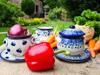
- Complete service
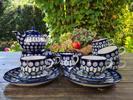
- Showroom Mon. to Thu. 11:00 a.m. – 2:00 p.m. • Fri. 3:00 p.m. – 6:00 p.m.
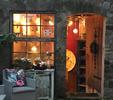
- Bathroom & WC – Polish Pottery by Ceramika Artystyczna

- Pizza Baking – Polish Pottery

- Vases in Polish Pottery – Ceramika Artystyczna
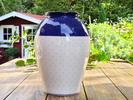
- Chef Pâtissier – Sweet and Savoury – in, on and with Polish Pottery

- Garde-Manger – Cooking with Polish Pottery Tableware

- Plongeur – Cleaning Polish Pottery Tableware

- Rôtisseur – Cooking with Polish Pottery

- For the Danish Kitchen – Ceramic Tableware

- Grillardin – Grilling, Smoking & Barbecue with Polish Pottery

- Unique Pieces in Polish Pottery
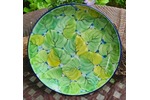
- Bulk Discount – Save on Polish Pottery
- Customer Service & FAQs – Polish Pottery
- Sweet Dreams

- For the German Kitchen – Polish Pottery Tableware

- The History of Polish Pottery
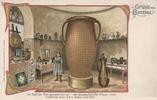
- For the Polish Kitchen – Polish Pottery

- For the Spanish Kitchen – Polish Pottery

- At home like in a fairy tale
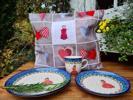
- Polish pottery gallery

- Sustainability
- Polish Ceramics from Ceramika Manufaktura
- Breakage-Free Guarantee – Safe Delivery of Your Polish Pottery
- Polish Pottery – Safe, Food-Safe & Everyday-Ready
- Reorder Guarantee – Your design available for many years
- Trusted Shops Buyer Protection – Excellent Shop – Certified for 17 years (since 15/05/2008) – Bunzlauergrosshandel.de

- Teapots & Coffee Pots in Bolesławiec Polish Pottery
Currency
-
AED
(AED) -
ARS
(ARS) -
AUD
(A$) -
BGN
(BGN) -
BHD
(BHD) -
BRL
(R$) -
CAD
(CA$) -
CHF
(CHF) -
CNY
(CN¥) -
CZK
(CZK) -
DKK
(DKK) -
EUR
(€) -
GBP
(£) -
HKD
(HK$) -
HRK
(HRK) -
HUF
(HUF) -
IDR
(IDR) -
INR
(₹) -
JPY
(JP¥) -
MXN
(MX$) -
MYR
(MYR) -
NOK
(NOK) -
NZD
(NZ$) -
PHP
(₱) -
PLN
(PLN) -
QAR
(QAR) -
RON
(RON) -
RUB
(RUB) -
SEK
(SEK) -
SGD
(SGD) -
THB
(THB) -
TRY
(TRY) -
TWD
(NT$) -
UAH
(UAH) -
USD
(US$) -
VND
(₫) -
XCD
(EC$) -
ZAR
(ZAR)
Country of delivery
- Australia
- Austria
- Belarus
- Belgium
- Brazil
- Bulgaria
- Büsingen, Deutschland
- Canada
- Croatia
- Cyprus
- Czechia
- Denmark
- Estonia
- Finland
- France
- Germany
- Greece
- Greece, Islands
- Helgoland, Germany
- Hungary
- Iceland
- India
- Ireland
- Israel
- Italy
- Japan
- Latvia
- Liechtenstein
- Lithuania
- Luxemburg
- Malta
- Monaco
- Netherlands
- New Zealand
- Norway
- Poland
- Portugal
- Republic of Korea
- Romania
- Russia
- Singapore
- Slovak Republic
- Slovenia
- Spain
- Spain, Balearic Islands
- Sweden
- Switzerland
- USA
- Ukraine
- United Arab Emirates
- United Kingdom


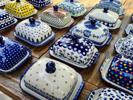


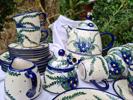
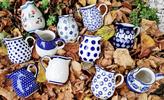
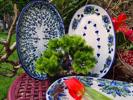

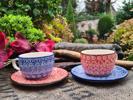

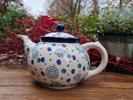

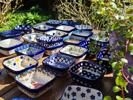
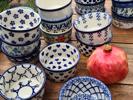
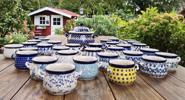
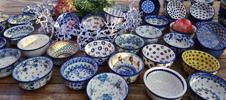
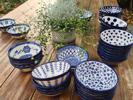
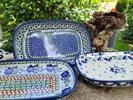
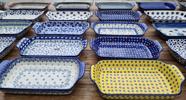
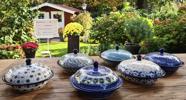
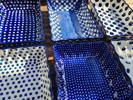
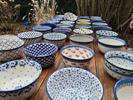
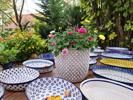
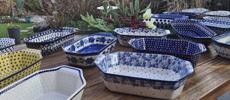
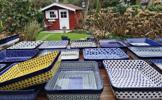
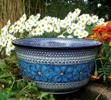
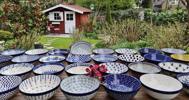
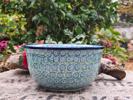
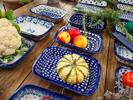
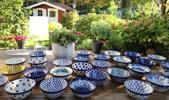
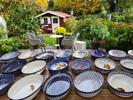
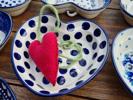
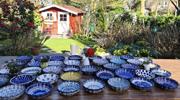
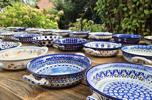
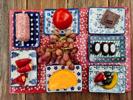
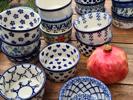
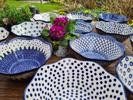
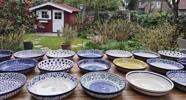
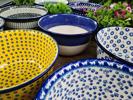
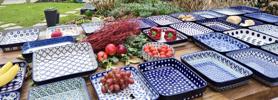
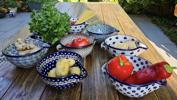
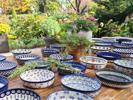
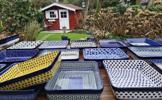
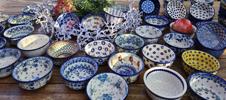
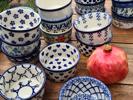
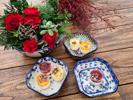
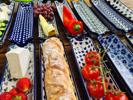
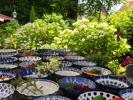
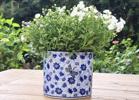
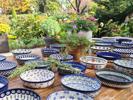

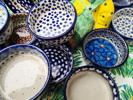
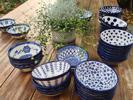
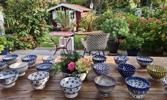
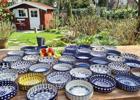
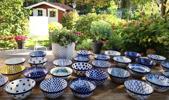
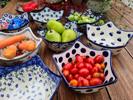
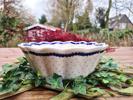
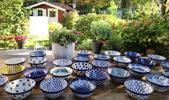
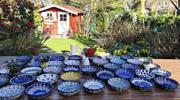
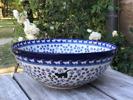
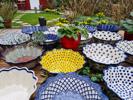
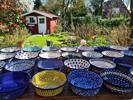
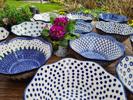
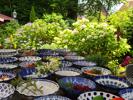
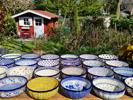
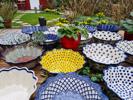
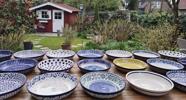
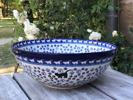
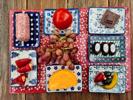
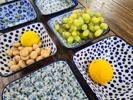

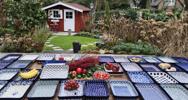
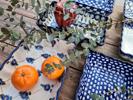
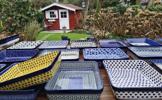
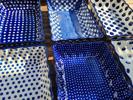
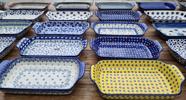
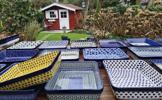
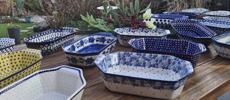
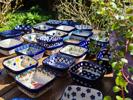
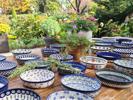
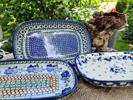
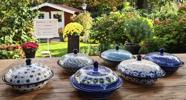

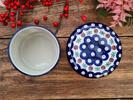
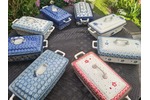

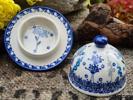
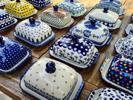
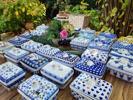
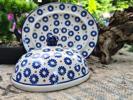
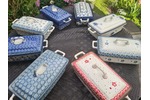
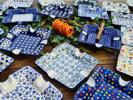
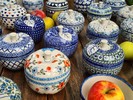
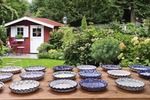
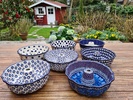
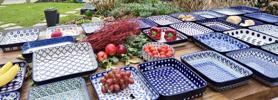
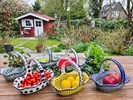
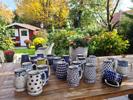
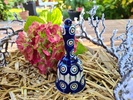
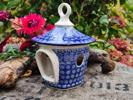
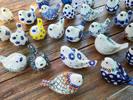
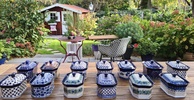
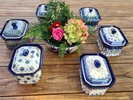
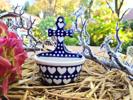
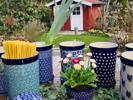
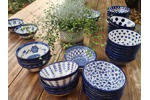
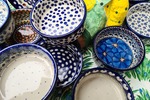
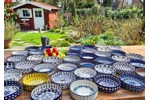
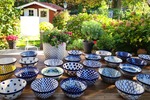
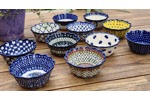
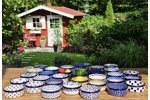
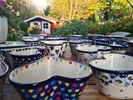
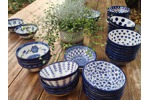
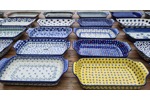

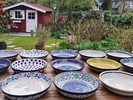
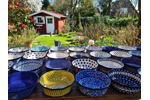
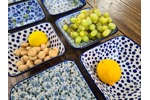
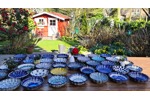
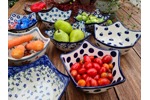
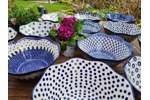
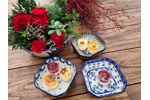
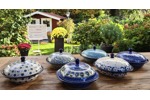
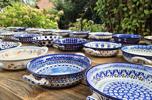
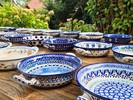
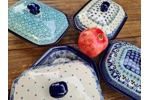
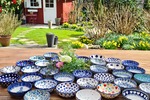
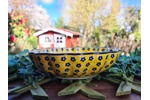
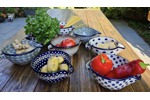
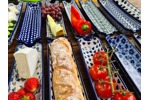
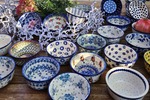

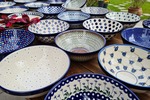
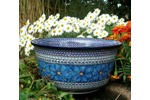
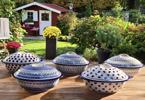
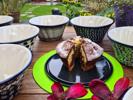
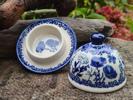
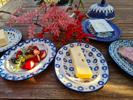
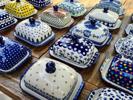
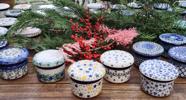
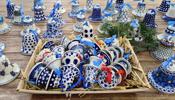
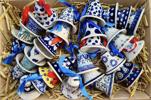
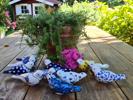
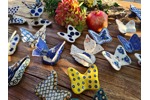
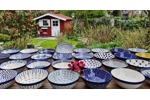
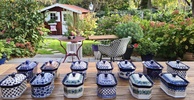
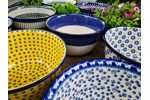
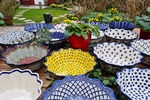
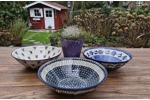
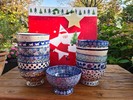
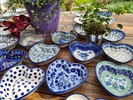
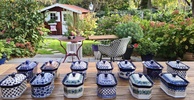

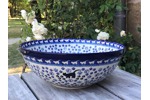
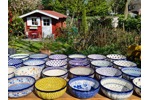
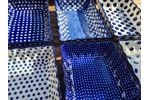
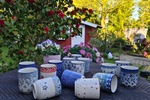
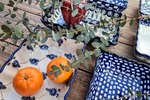
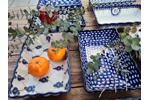
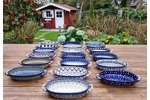
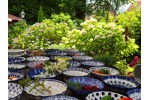

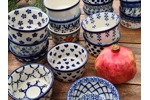
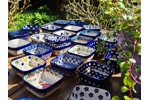
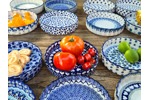
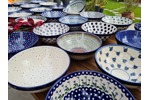
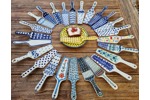
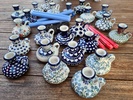
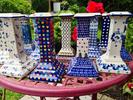
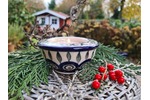
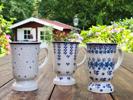
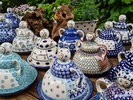
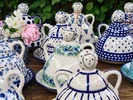
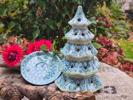
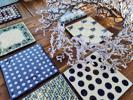
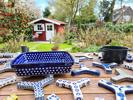
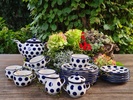
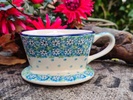
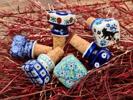
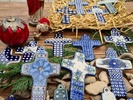
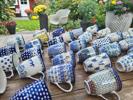
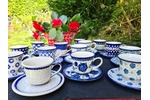
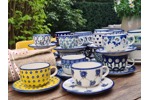
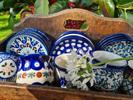
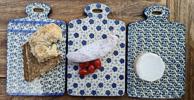
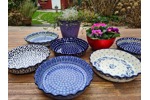
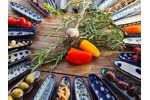
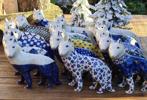
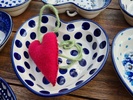
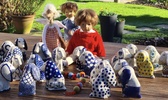
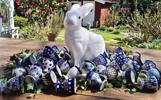
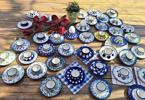
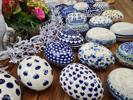
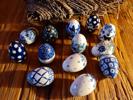
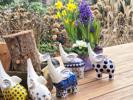
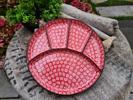
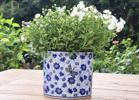
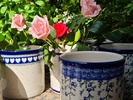
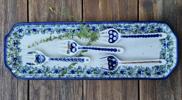
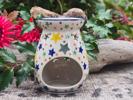
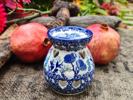
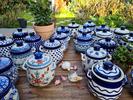
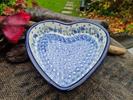
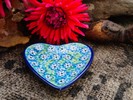
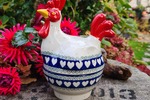
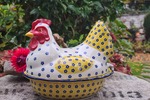
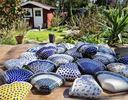
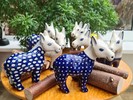
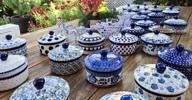
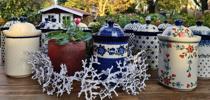
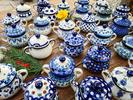
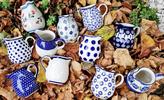
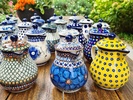
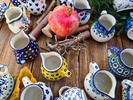
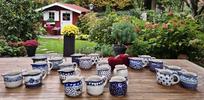
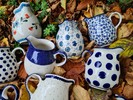
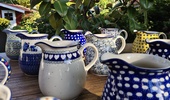
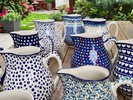
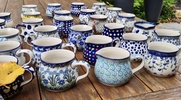
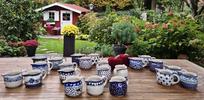
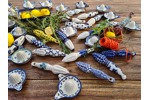
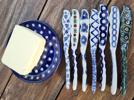
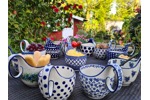
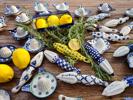
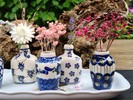
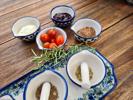
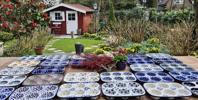
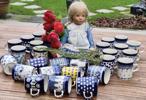
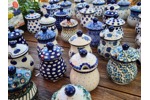
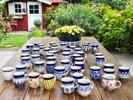
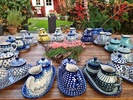
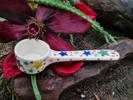

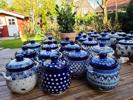
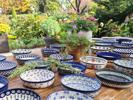
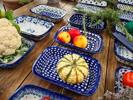
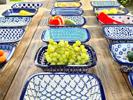
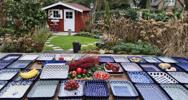

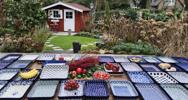
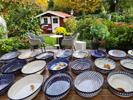
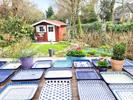
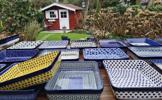
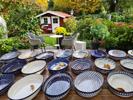
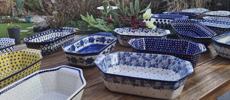
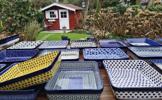
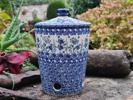
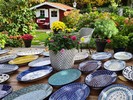
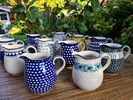
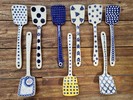
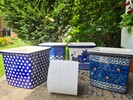
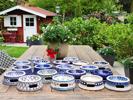
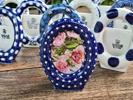
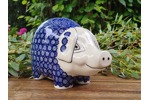
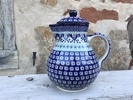
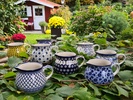
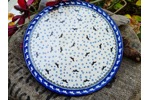
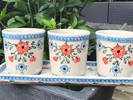
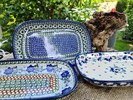
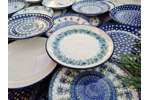
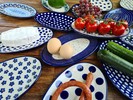
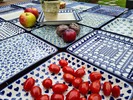
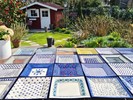
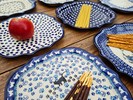
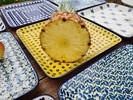
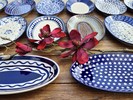
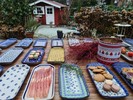
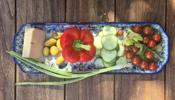
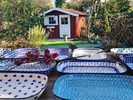
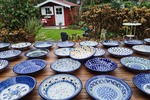
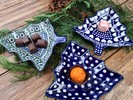

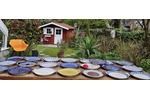
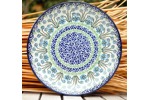
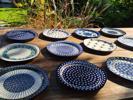
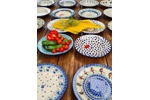
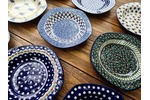
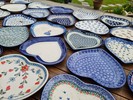
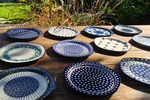
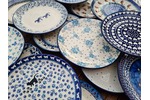

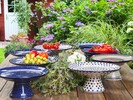
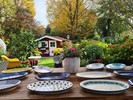
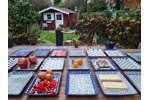
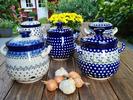

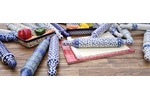
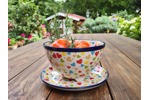
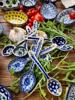
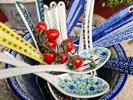
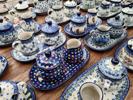
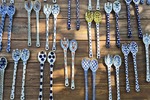
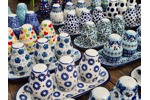
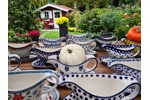
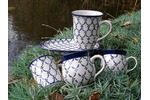
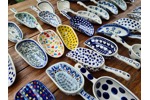

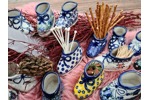

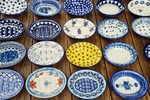
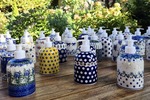
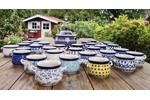
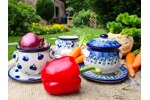
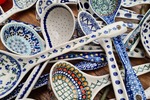
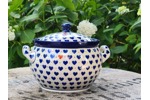
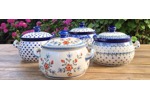
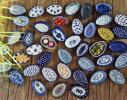
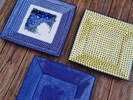
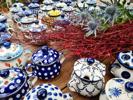
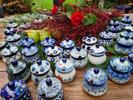
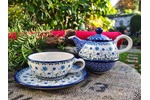
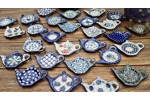
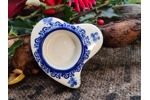
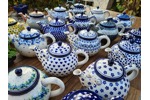
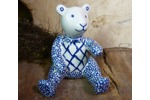
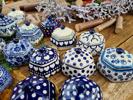
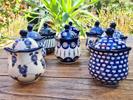
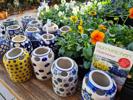
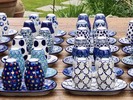
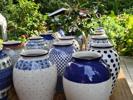
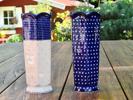
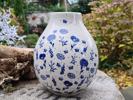
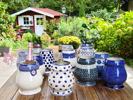
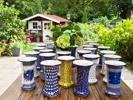
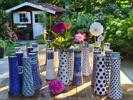
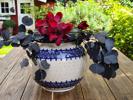
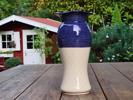
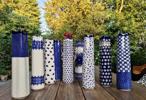
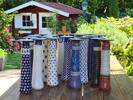
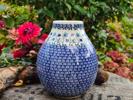
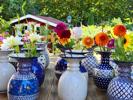
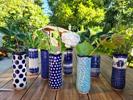
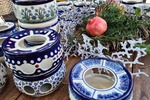
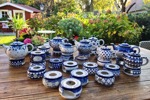
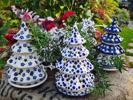
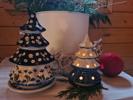
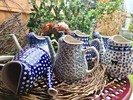
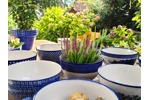
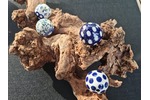
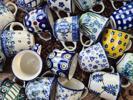
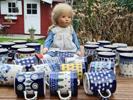
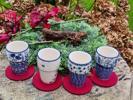
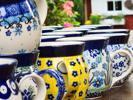
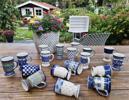
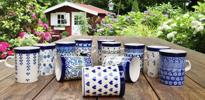

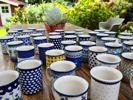

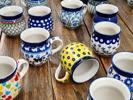
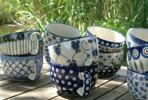
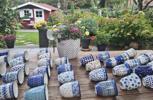
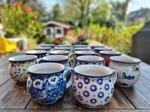
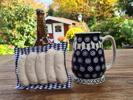

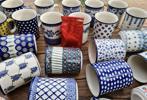
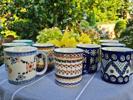
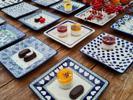
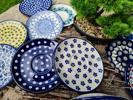
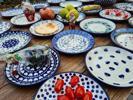
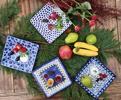
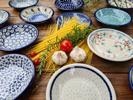

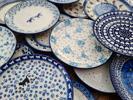
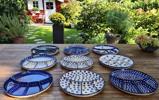
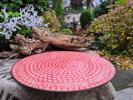
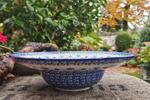
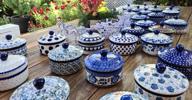
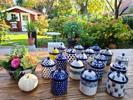
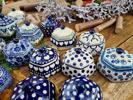

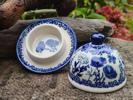
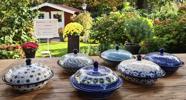
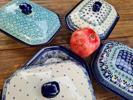
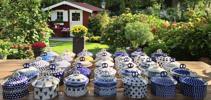
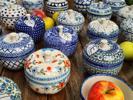
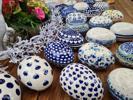
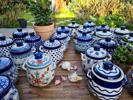
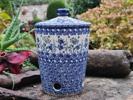
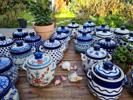
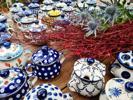
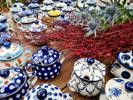
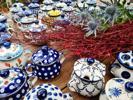
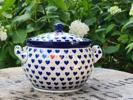
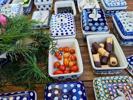
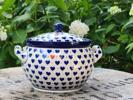
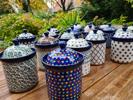
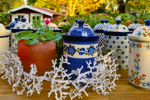
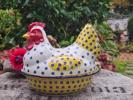
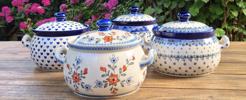
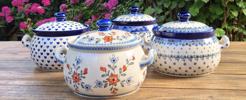
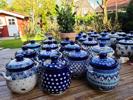
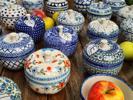
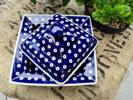
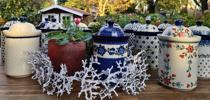
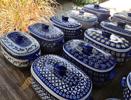
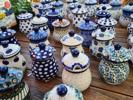
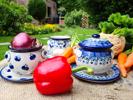
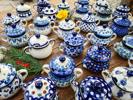
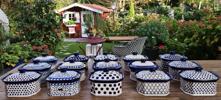
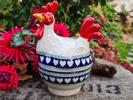
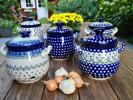
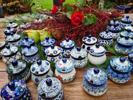
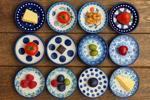
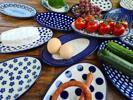
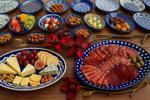
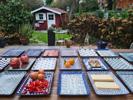
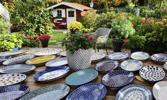
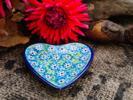


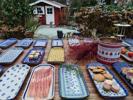
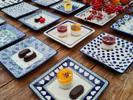
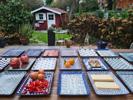
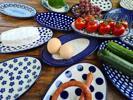
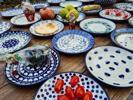
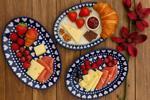
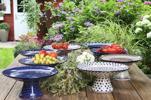

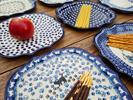

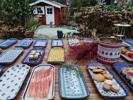
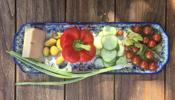

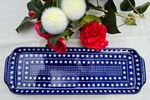



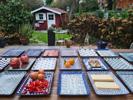
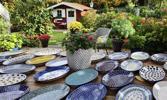
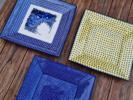
A very decorative eyecatcher is the Polish Pottery elephant in various Bunzlau tableware designs.
In elaborate handwork the elephants are decorated in the pottery Ceramika Artystyczna from Bunzlau, Silesia with brush and sponge.
Elephants – Origin, Ivory History, Conservation, and Cultural Symbolism
1. Origin and Evolution
Elephants (family: Elephantidae) belong to the order Proboscidea, which originated in Africa over 50 million years ago. Today, only three elephant species remain:
African savanna elephant (Loxodonta africana)
African forest elephant (Loxodonta cyclotis)
Asian elephant (Elephas maximus)
All modern elephants share a common ancestor from about 6 million years ago. In prehistoric times, over 160 species of proboscideans roamed the Earth, including the woolly mammoth and mastodons.
2. Ivory – From the Middle Ages to Modern Times
Ivory, the dense dentin material from elephant tusks, has been prized since ancient times. In the Middle Ages, it was used to craft:
Religious reliquaries and icons
Decorative combs and chess sets
Weapon handles and aristocratic items
During the 19th and 20th centuries, demand surged—particularly for piano keys, billiard balls, and luxury goods. This led to mass poaching and sharp population declines.
Today, ivory trade is banned or heavily restricted under CITES agreements. However, illegal ivory markets persist in parts of Africa and Asia, continuing to threaten elephant populations.
3. Protected Elephant Habitats Worldwide
Many countries have created national parks and reserves to protect elephants, such as:
Kruger National Park (South Africa)
Chobe National Park (Botswana)
Amboseli & Tsavo Parks (Kenya)
Kaziranga (India)
Kaeng Krachan (Thailand)
Selous Game Reserve (Tanzania)
International NGOs like WWF and IFAW work to support anti-poaching patrols, local communities, and sustainable coexistence with elephants.
4. Population Trends
Elephant populations have declined dramatically over the past century:
| Species | Current Estimate | Estimate ~1900 |
|---|---|---|
| African elephant | ~415,000 individuals | Over 5 million |
| Asian elephant | 40,000–50,000 individuals | Around 200,000 |
Top
Polish Pottery with Tradition
For nearly 30 years, Einzigartig Wholesale from Rheine, Germany, has been a close partner and mold designer for two traditional Polish Pottery manufactories in Bolesławiec.
As specialists in handcrafted Polish Pottery and premium stoneware, we combine traditional craftsmanship with exclusive shapes, unique patterns, and decades of experience.
Our pottery tradition goes back more than 150 years: Gustav Laske, the great-grandfather of our current CEO Christian Kindervater, was a master potter with his own workshop.
Christian Kindervater trained as a chef and gained many years of experience as a head chef, private chef, and event chef in professional hospitality businesses. During this time, a strong connection developed between high-quality gastronomy and functional pottery.
Polish Pottery proved itself in daily use in large-scale kitchens, catering services, clinical environments, and fine dining establishments alike. Christian Kindervater also gained valuable insights through numerous meetings and exchanges with Michelin-starred chef Lothar Beck of Altes Forsthaus Beck in Lingen, Germany.
Quality, customer satisfaction, and the preservation of genuine craftsmanship have remained at the heart of everything we do for generations.
"Quality is something very rare and should be preserved."
Jonny Schindler
* All prices include VAT. Shipping costs apply. International shipping information.
Our Showroom
is open on Fridays from 15 to 18 o'clock, on other days we have only shipping.


 Plenty Lions
Log in
Shipping
EU Delivery (Delivery Time: 3–14 Days)
Overview of standard shipping costs for:
Austria, Belgium, Cyprus, Czech Republic, Denmark, Spain, Estonia, France, Hungary, Italy, Luxembourg, Malta, Netherlands, Portugal, Poland, Sweden, Slovak Republic, Slovenia, Monaco, Romania, Croatia, Spain
Shipping Costs:
€9.95 + 5% of the order value Free shipping on orders over €299
EU SHIPPING FREE SHIPPING ON ORDERS OVER €199 Code : 3C3CQZ
DHL Insured Shipping (Delivery Time: 3–14 Days)
Overview of standard DHL insured shipping costs for:
Switzerland, United Kingdom, Norway, Iceland, Finland, Bulgaria, Estonia, Greece, Latvia, Lithuania, Ukraine, Liechtenstein, Ireland
Shipping Costs:
€14.95 + 5% of the order value Free shipping on orders over €299
EU SHIPPING FREE SHIPPING ON ORDERS OVER €199 Code : 3C3CQZ
1. Hermes Home Delivery in Germany
Delivery time: 3–5 business days – in most cases, you will receive your parcel within 2–3 business days.
Cost: €3.90 insured shipping + 3% of the order value
2. DHL GO GREEN + Insured Shipping in Germany
Delivery time: 3–5 business days – in most cases, you will receive your parcel within 1–2 business days.
Cost: €6.90 insured shipping + 3% of the order value
DHL Insured Shipping for the Following Countries
Australia, United States, Brazil, India, Iceland, Israel, Japan, Canada, New Zealand, Singapore, United Arab Emirates, Belarus, South Korea, China, Singapore
Shipping Costs:
€70.00 per parcel for orders with a merchandise value of up to €250
Delivery Time: